

Your community members are burnt out.
Not some simple overwhelm but the kind of burn out that accumulates when you survive a pandemic, watch AI restructure your industry, live through an economy that feels increasingly rigged… and then stay quiet about it all on LinkedIn because your next opportunity might depend on who’s reading.
People are tired in ways they’re not allowed to say out loud.
Nearly 85% of workers reported burnout or exhaustion in 2025. More than half the U.S. workforce is currently experiencing it. Gen Z is hitting peak burnout at 25 years old—some seventeen years earlier than previous generations [1,2].
These are the same people you’re trying to engage. The same people on the other side of your prompt to “share their biggest challenge this week.”
Your leadership might be pressuring you to double down, but now is the time to give, not extract.
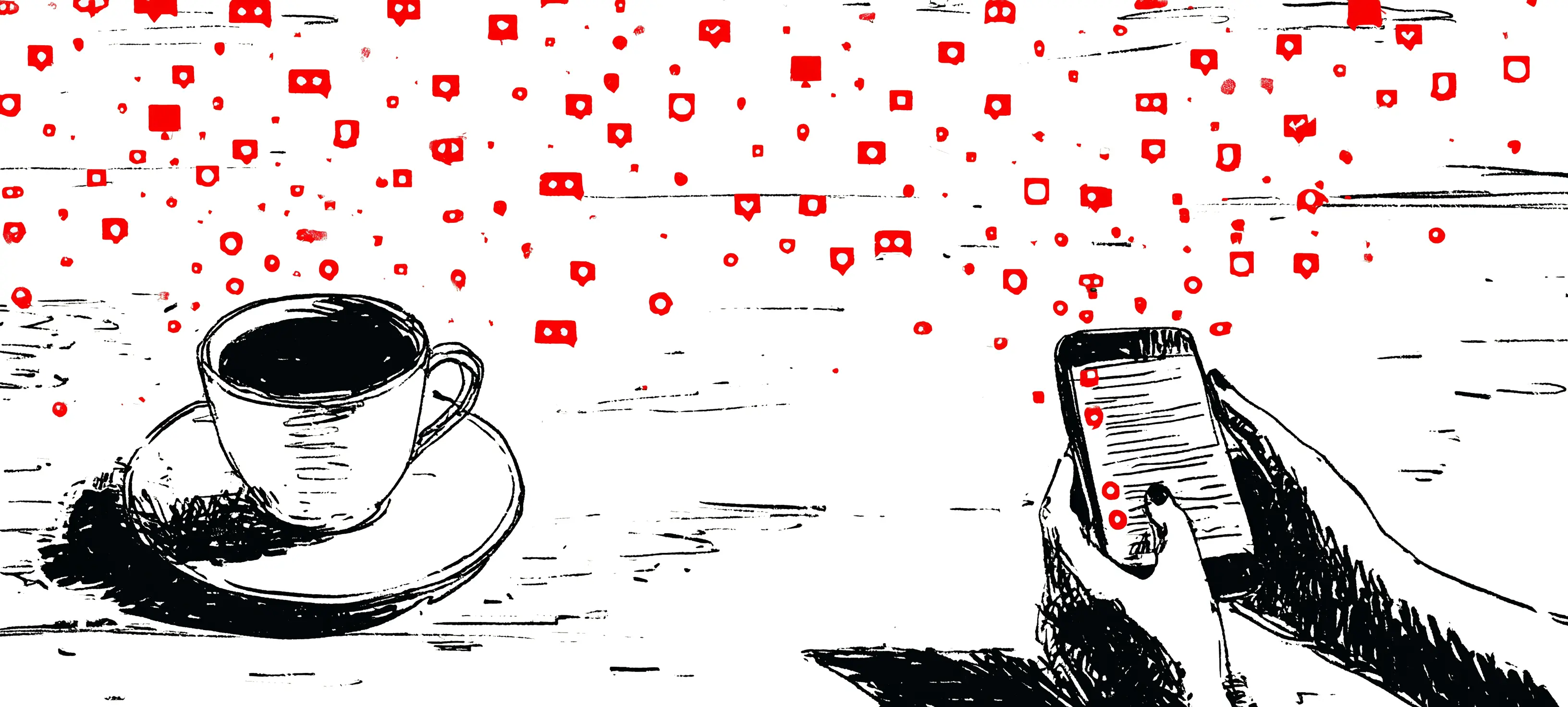
Here’s what community extraction looks like:
We are all guilty of using such tactics, but the time for them is ending: 70% of consumers unsubscribed from brands in the last three months because of overwhelming messaging. The tolerance is gone. People have stopped ignoring the noise, they're actively building walls against it.
But what makes this worse: community was supposed to be the antidote to all that. The place that gave a damn about the person in it.
For a lot of brands, unfortunately, it became the same thing with a Slack skin on it. And your members noticed.
When everything around people feels transactional, chaotic, and exhausting, a community that shows up for them becomes irreplaceable. The thing they open. The place they trust. The tab that stays.
The communities getting this right aren’t doing it with better technology or bigger budgets. They’re giving first. Consistently. Before asking for anything.
Over-selling is already the primary cause of community decline [3]. The brands treating retention as their north star are the ones still standing in spaces where everyone else went quiet.
When everyone else is asking for more from people running on empty, be the one that gives.
Giving first is a strategy, not charity. In practice, it means:
- Create content worth keeping. Something your members would forward to a colleague unprompted. Synthesize your community's collective knowledge then package it into something they can use tomorrow. Hard rule: If you wouldn't read/watch it yourself, don't publish it.
- Run events worth blocking a calendar for. Something they'd show up to even if your logo wasn't on it. The value should live entirely on the attendee's side.
- Show up without an agenda. A member goes quiet, you notice and check in. No CTA. No segue into a case study request. That costs nothing and it lands like almost nothing else can.
- Make introductions happen. Spend real time thinking about who in here should meet who this month? Then make it happen. That's something members tell others about.
The numbers back this up. I saw it firsthand at Microsoft: the customers who engaged with our community retained 4x higher than those who didn't, and rated us 5.5 points higher in satisfaction.
Canva leaned in hard to this, too. They gave their full professional platform to teachers, students, and education leaders for free. Not a lite version, the actual thing. It's now their single largest user segment, and that free exposure is turning into paid subscribers at scale [4].
A longitudinal study across 312 companies found that community building took the longest to pay off of any retention strategy (12 to 18 months on average). But engaged community members showed 31% higher retention than non-participants, and the gap kept widening the longer the community ran [5,6].
Communities built around giving first are seeing results. It's the ones built around extraction who are generating excuses for why the metrics are flat.
Burned out people don’t convert. Exhausted members don’t advocate. People running on empty don’t generate the peer recommendations that move buying decisions.
It's the members who receive real value that participate with real energy. That participation generates trust, and trust compounds.
Community has a role right now that no algorithm can fill: Being the place where someone feels like a real person noticed them. It's where showing up is actually worth something.
While everyone else is trying to extract from those with nothing left to give, you can be the one giving first. If you do that, everything else will follow.

Jon is the community builder behind global ecosystems at OutSystems, Microsoft and DocuSign. Keynote speaker, YouTube host & creator. Motorcyclist, skier, and collector of moments.