

The Chief of Staff role has grown into the mainstream over the past decade [1]. At the center of this movement is Scott Amenta and his Chief of Staff Network (COSN)—a community that has become home for Chiefs of Staff worldwide [2,3]. The role, though, can be a lonely one. So in 2016, in a quest for peer connection, Scott wrote a Medium post. That has since evolved into a community business that generates $1M+ each year, serving around 900+ members [4, 5].
This deep dive examines how Scott built and scaled the Chief of Staff Network from that Medium post into a global community that transitioned from free to paid along the way.

The Chief of Staff Network is a professional membership community designed specifically for Chiefs of Staff and those performing similar roles across tech startups, Fortune 500 enterprises, non-profits, and higher education institutions [8,9].
The community operates as a private, invitation-only network centered around a Slack workspace [3]. Members gain access to curated resources, cohort-based courses, networking events, research reports, and direct peer support from fellow Chiefs of Staff facing similar challenges [2,10]. It’s an essential network for many, where practitioners are often the only person with that role in their organization [11,12].
The community is now part of Sylva, Scott's broader community platform company. Co-founded with Tom Guthrie, Sylva acquires and operates multiple professional communities [4,6]. This integration allows the Chief of Staff Network to benefit from shared resources, technology infrastructure, and cross-community learning while maintaining its distinct identity and focus [5].
The success of COSN goes beyond revenue to member outcomes. Many participants have turned the connections they’ve made and learnings from the community to advance their careers, transition to new roles, and even start their own companies [11,14]. The community has also played a significant role in legitimizing and defining the Chief of Staff profession, creating frameworks and research that the broader industry now uses [15,16].
In 2016, Scott was serving as Chief of Staff at Spring, an e-commerce marketplace in New York City [18,17]. At this time, outside of politics, few people had the title Chief of Staff. Scott felt isolated. He was the only Chief of Staff in rooms full of specialized executives and struggled to find peers who understood the unique challenges of his role [1,7].
So he decided to write about his experience [17], publishing the Medium article titled "Chief of Staff: A Critical Role Among High Growth Startups," which took off [11,18]. The post garnered over 400 claps and got responses from other professionals in similar roles who were struggling, too [11].
The responses revealed a hidden set of professionals scattered across different companies, all facing similar challenges but without a way to connect and learn from each other [11]. So Scott took action, adding at the end of his Medium article a note saying he was thinking of starting a community, asking those interested to reach out [7].
Some folks did, including Sarah Brown, who was Chief of Staff at Tech NYC, and Max Dorwin, who was Chief of Staff at Boxed. The three represented different perspectives. Scott from pure tech startups, Brown from the nonprofit world, and Dorwin from government transitioning to private sector. This diversity of backgrounds has become a defining element of the community ever since.
They agreed to meet up. In February 2017, they organized a dinner at The Smile on Bond Street in Manhattan, bringing together about 10-12 people. The format was intentionally loose—they posed some discussion questions but mostly let conversation flow naturally around topics like managing executive team meetings and facilitating communication between leadership layers [7].
The dinner's success convinced them there was real demand for ongoing connection. They quickly set up a Slack workspace to maintain conversations between in-person gatherings, initially known as the Chief of Staff Tech Network [7].
From the beginning, Scott was intentional about making the community self-sustaining rather than dependent on him. He wanted members to drive value for each other rather than expecting him to be the central hub of all connections and resources [7]. Key to that is its city-based Chapter system. From early on, chapter leaders in New York, London, and San Francisco have played a role in recruiting new members, running their own events, and helping the community to succeed. Scott carefully vetted each of the Chapter leaders before giving them this responsibility, and supported them along the way, helping the community to scale beyond what Scott could have done single-handedly [20].
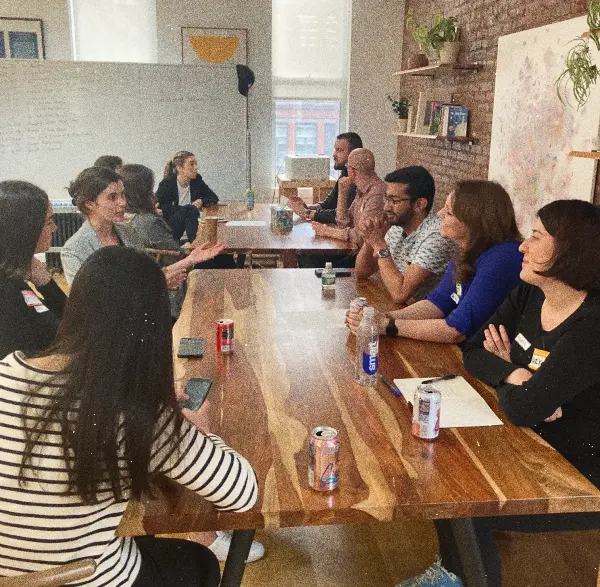
Word of mouth began to spread and more people joined the Slack. It had grown to almost 200 members by November 2019. Initially, the Chief of Staff Network operated as a free community for the first 3 and a half years. As the group grew, a common challenge arose: how to sustain the community’s value and operations without burning out or diluting the experience. “I realized that in order for it to be sustainable… required it to be something more than it was,” says Scott [5].
By this time the community had grown to around 400 members, so the transition to a paid model was not made lightly. Instead, it was approached gradually and transparently, with a strong emphasis on demonstrating value before asking members to pay. Interestingly, though, Scott says "The early offering was not dissimilar to the offering that existed as a free community." They were already offering a ton of value, so "a lot of it was just organizing what the community itself had already produced" [5].
Relaunched as a paid membership in January 2021, it officially then became known as The Chief of Staff Network [44]. Scott partnered with Tom Guthrie (who later became the network's President) on the launch. “I did a lot of grandfathering in of… free or scaled down membership” for existing members, says Scott [5]. The team first experimented with tiered membership, offering a free “LITE” tier alongside a paid “PRO” tier. Although they discontinued LITE after a few months, recognizing there was not a great enough difference between the two offerings at that time.
The team communicated openly about the reasons for the shift, emphasizing the need to sustain high-quality programming, events, and resources. They highlighted the tangible value members were already receiving, such as exclusive events, curated resources, and a trusted peer network. Then positioned the membership fee as an investment in professional development, that could be covered by an employers’ learning and development budget [45].
The impact of moving to a paid model was significant and overwhelmingly positive.
It was “one of the hardest things I've done in my career," admits Scott. "But definitely one of the best learning opportunities and certainly the best thing that the community needed” [5].
Introducing a membership fee created a natural filter, ensuring that those who joined were genuinely invested in their own growth and in contributing to the community. Engagement rates increased, as did the quality of interactions and the sense of shared purpose. The community was able to reinvest membership revenue into better programming, more robust resources, and a dedicated team, further increasing the value for members [45].
The Chief of Staff Network's value proposition centers on solving the isolation that defines the Chief of Staff experience [11,12]. Rahul Desai, then General Manager, explains that members "often feel very lonely in their role. They don't have someone they can talk to" [21].
The community addresses this through its 3Cs approach: cohorts, curriculum, and community.
The core offering is peer-to-peer learning and support [2,3]. Members gain access to the private Slack community where members actively share their challenges, solutions, and resources daily [3]. Since it’s private, members feel comfortable discussing sensitive topics like HR issues, strategic planning challenges, and interpersonal conflicts with executives [21,2].
Educational programming forms another key component. They used to run the "Fundamentals Track," a six-week program designed to onboard new Chiefs of Staff [16,22]. A rolling email course, each 'cohort' has around 50-60 participants, and the curriculum covers relationship building with principals, role scoping, leadership frameworks, and meeting management [16]. Members also access specialized courses on email productivity, vendor selection, job search strategies, and cold outreach [2]. This was replaced in July 2025 with an updated offering called Launchpad, a similar 6-week cohort-based program for first-time Chiefs of Staff.
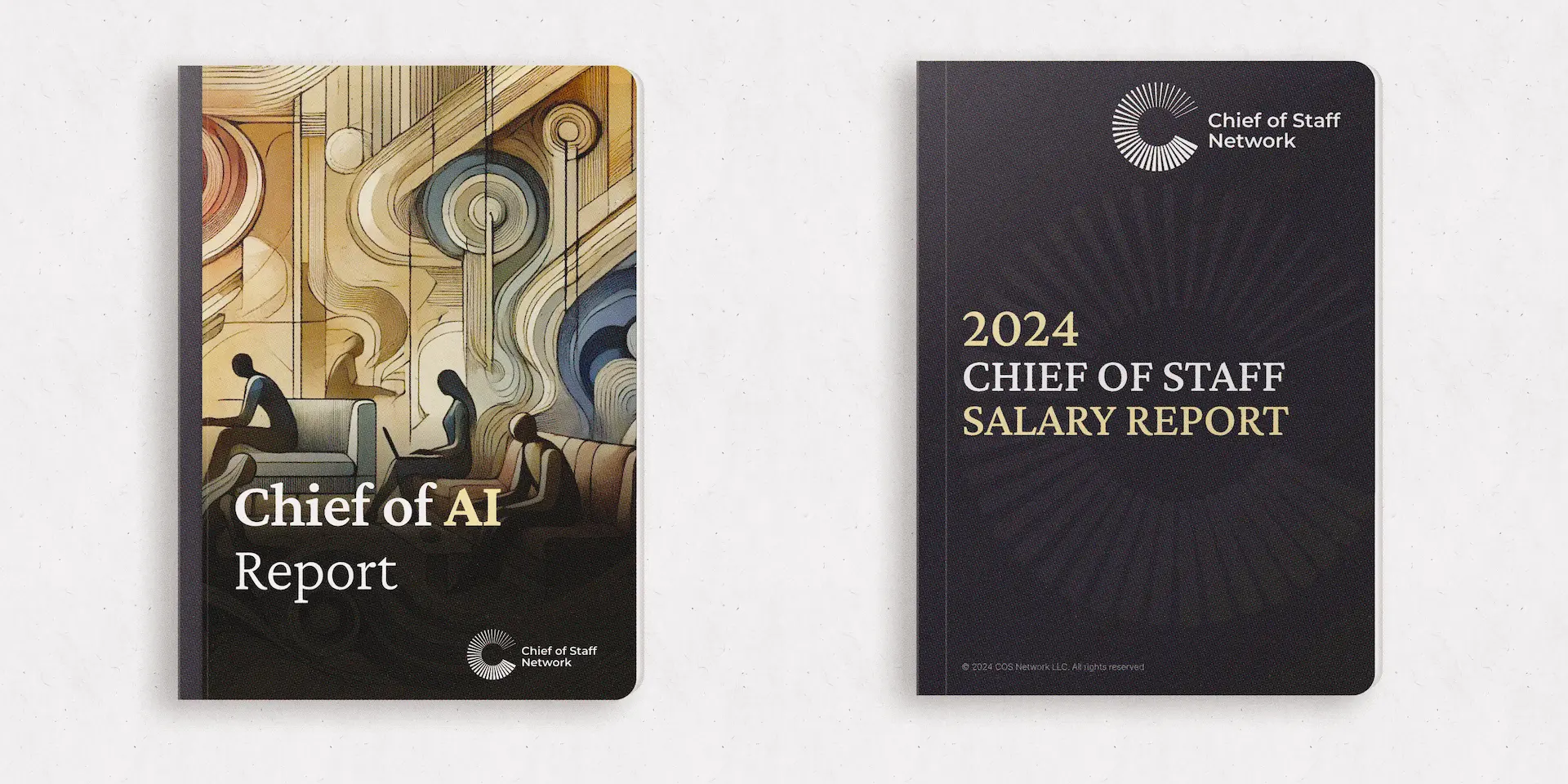
Research and thought leadership provide additional value [15,10]. The community produces widely-used resources like the Chief of Staff Levelling Framework, which helps professionals understand career progression and compensation benchmarks [23][24]. Annual compensation reports give members data-driven insights for salary negotiations [21,10]. These resources have become industry standards, referenced by hiring managers and Chief of Staff candidates across different companies [23].
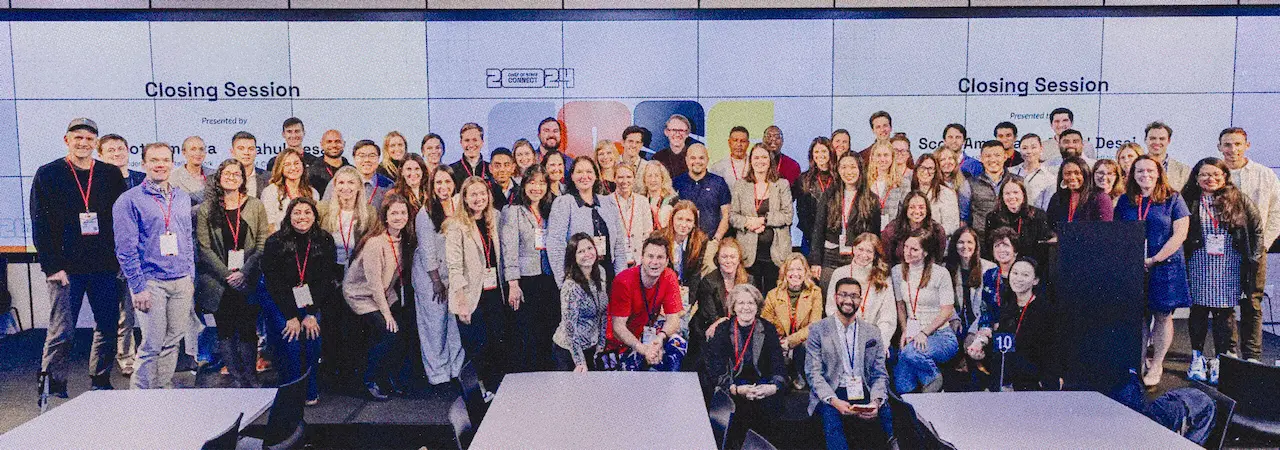
Networking and events create opportunities for deeper connection [12,25]. The community hosts regular virtual and in-person events, including city-specific meetups, expert-led workshops, and the now annual Chief of Staff Connect conferences [12,26]. They ran over 60 events in 2024 [48]. Members particularly value smaller group interactions like "CoS Pods," which are monthly mastermind cohorts that provide ongoing peer support [2,25].
They didn’t jump straight into organizing a conference internationally, though. Smaller, regional and virtual events were tried first. Their first virtual 2-day Summit was hosted in October 2021 and over 175 people attended. In 2022 that grew to 250 people. This paved the way for the Chief of Staff Connect conference in New York. In 2024, that event attracted attendees from around the world. So in 2025, they ran events in three cities: San Francisco, NYC, and London. SF and London were 1-day events for ~65-75 people. While NYC is its flagship event, run over two days with around 165 attendees [48].
Members often help each other with specific challenges through the "consulting helpline," where experienced Chiefs of Staff provide guidance on complex organizational issues [2,10]. The community also facilitates career transitions, with members referring each other for new opportunities or helping evaluate job offers using community frameworks [11,14].
The community's knowledge hub serves as a repository of practical resources [2,10]. Members can access templates for annual planning, deck preparation, and strategic initiatives. These are tools developed and tested by other Chiefs of Staff in real organizational contexts [2,27]. This crowd-sourced library of resources saves members significant time and provides proven starting points for common challenges [14].
AI has become a particular focus of the community's programming. They added the Chief of AI Fellowship in recognition of AI's transformative impact on the Chief of Staff role. This specialized program helps Chiefs of Staff lead AI adoption within their organizations. It's a great accompaniment to their new Chief of AI Report, too.
More recently, the community tested out the Corporate Council, a premium tier specifically designed for senior Chiefs of Staff at large enterprises. Although they didn't stick with it, it shows how they're trying to serve different member segments, acknowledging that Chiefs of Staff at Fortune 500 companies face different challenges than those at startups.
The Chief of Staff Network operates on a premium membership model with annual dues of $950 per year when paid upfront, or $285 per quarter for those preferring to pay incrementally [3]. This pricing strategy positions the community in what Rahul calls the "corporate L&D budget" tier. Expensive enough to ensure commitment but accessible enough for companies to approve as professional development expenses [21]. The community even provides templates and scripts to help members make this case to their companies [14].
Pricing has increase slowly over time, it was $850 annually back in 2023, for example. They also now offer a lifetime membership option, priced at $1,805.
Revenue streams extend beyond membership dues, though [4,21]. The community generates additional income through courses, events, and consulting services [2,10]. Tickets for Chief of Staff Connect SF and London are typically $499, while NYC is $1,199. Prospective members can buy membership and a conference ticket for a discounted bundle price. They also offer Corporate partnerships and sponsorships as another revenue stream, though they’re selective about partners to maintain member trust [10].
The pricing model creates natural barriers that improve community quality. As Rahul notes, having some financial commitment "filters for people who are serious about professional development" and reduces the likelihood of members who join but never participate. The annual payment structure also provides predictable revenue that allows for longer-term planning and investment in community resources [21].
While other professional communities charge thousands of dollars annually, the Chief of Staff Network positions itself as more accessible while still premium enough to ensure quality [21,28]. This middle-market positioning has proven effective for reaching Chiefs of Staff across different company sizes and industries [3]. Tech is its biggest sector, but members cover finance, political consulting, agriculture, biotech, non-profits and many others sectors, too.
Scholarship programs ensure the community remains accessible [2,3]. The network offers flexible payment levels and options for members who cannot afford standard dues [2].
The Chief of Staff Network has an application-based membership model. The application process serves multiple functions: vetting candidates, setting expectations, and beginning the relationship-building process that defines the community experience [21].
Membership is primarily targeted at practicing Chiefs of Staff, though the community also welcomes professionals in similar roles who might not have the official title. For example, PMO Lead, Director of Special Projects, Head of Operations, etc [3]. Alumni who previously served as Chiefs of Staff are also welcome, creating mentorship opportunities for current practitioners.
The application itself is intentionally comprehensive [21]. Candidates must provide professional background information, explain their current role and responsibilities, and articulate why they want to join the community [3]. This written component helps the team assess whether applicants understand the community's value proposition and are likely to be active contributors rather than passive consumers [21].
A crucial innovation in the application process is the mandatory interview component [21]. After initially operating on a purely written application basis, the community added personal interviews that dramatically improved conversion rates from 30-40% to 70-80% [21]. These conversations, started by Rahul, serve multiple purposes: they allow for more nuanced evaluation of candidates, help identify people doing Chief of Staff work without the title, and create personal connection from the first interaction [21]:
“Having that moment together with me enabled them to say, ‘Oh, I'm wondering about the events you do, or I'm thinking about these classes. Can you tell me more? And I think a lot of that sort of ability to have Q and A drove a big amount of the difference”
The interview process also functions as early onboarding. During these conversations, team members explain how the community works, set expectations for participation, and help new members understand how to get maximum value from their membership. This personal touch addresses the common community challenge of new members not knowing how to engage effectively [21].
“The website changes (dropping the Insider plan) plus the interview, and sort of the knock on effects of that interview, is how we got that close rate up to 80%,” says Rahul [21].
The community commits to get back to applicants within two business days, with most decisions made on a rolling basis [3]. In many respects, the interviews are not unlike the early days, where Scott personally met with the first few hundred members when they were a free community, before letting them join the Slack. This quality control remains the most important thing [21]. They prioritize likelihood for community contribution over professional credentials to keep the network valuable [3].
The onboarding process begins immediately after being accepted, lasting several weeks. They’ve found this ensures members understand community norms, discover available resources, and begin building relationships [25].
It starts with a welcome email that provides essential information about community structure and expectations. This includes [25]:
The welcome process also includes access to the community's knowledge hub, where new members can explore existing resources before asking questions that might already be answered [10].
Structured onboarding events provide group orientation for new members. The community regularly hosts "Onboarding" sessions where recent joiners can learn about community functions, meet other new members, and understand how to navigate resources effectively [25].
Slack integration is carefully managed to prevent new member overwhelm [21,19]. Rather than giving immediate access to all channels, new members are added to just the most relevant spaces at first [21]. They they receive channel recommendations based on member profiles and current discussions [29].
Buddy systems and mentorship matching help new members find their way [21]. The community often pairs newcomers with experienced members who can provide informal guidance and answer questions in a less public setting [21]. These relationships frequently evolve into ongoing professional mentorship that extends well beyond the onboarding [11].
Course participation serves as an onboarding accelerator [16,22]. Many new members immediately enrol in Launchpad or other courses, which provide structured learning while building relationships with cohort peers [16]. The course format creates natural connection points and gives new members specific goals and activities within their first few weeks [22].
Event attendance is encouraged as part of onboarding [25,29]. New members receive special invitations to upcoming events and often get priority access to popular sessions [25]. Local chapter events are particularly valuable onboarding opportunities [12].
Progress tracking ensures no new members fall through the cracks [21]. Rahul and team monitor new member engagement and reach out proactively if someone seems to be struggling with initial participation [21]. This personal attention helps identify and address issues before they churn [21].
COSN has grown steadily from the beginning. From 12 in February 2017 to around 400 before its transition to paid in 2021, re-launching with over 100 members, it's now up to around 900+. From member counts shared online, we can estimate its growth looks like:
.png)
Its growth strategy combines word-of-mouth marketing with strategic content creation and community-driven referrals [4,21].
Scott's original Medium articles continue to drive discovery, with many members citing them as their first exposure to the community [11,17]. The community maintains an active blog that publishes tactical advice, industry insights, and member stories [27,30]. This content serves dual purposes: providing value to the broader Chief of Staff ecosystem while attracting potential members [18].
Podcast appearances and speaking engagements expand the community's reach [31,32]. Team members regularly appear on podcasts and at conferences, sharing insights about the Chief of Staff role while building awareness of the community [33,34]. The community also produces its own podcast, featuring member interviews and industry discussions that showcase the network's expertise [31,32].
Word-of-mouth referrals drive the highest-quality member acquisition [21]. Existing members frequently refer colleagues and connections who would benefit from community participation [11]. The application process tracks referral sources, and referred candidates typically have higher engagement rates and longer membership tenure [21].
Strategic partnerships create growth opportunities, too [4]. The community collaborates with related organizations, executive search firms, and professional development providers to reach potential members [10]. These partnerships focus on education and value-creation rather than direct promotion [14].
Its focus on research has established the community as an industry authority [15,23]. The Chief of Staff Levelling Framework and annual compensation reports are critical industry resources [23,24]. Folks often discover the community through these resources and subsequently apply for membership [15]. As a result, LinkedIn and SEO are important channels, too. It has grown its LinkedIn following to over 35,000 people.
Its chapter-based model has enabled geographic expansion [12]. Rather than trying to build presence everywhere, the community focuses on establishing strong local chapters in major markets [12,29]. They have 22 chapters, covering cities like New York, San Francisco, and London, which have regular in-person events that create local networking opportunities while strengthening overall community bonds [12].
Event marketing provides ongoing member acquisition [25,35]. The community's conferences and workshops attract both members and non-members, creating opportunities to showcase community value to potential applicants [35,26]. Many event attendees subsequently apply for membership [25].
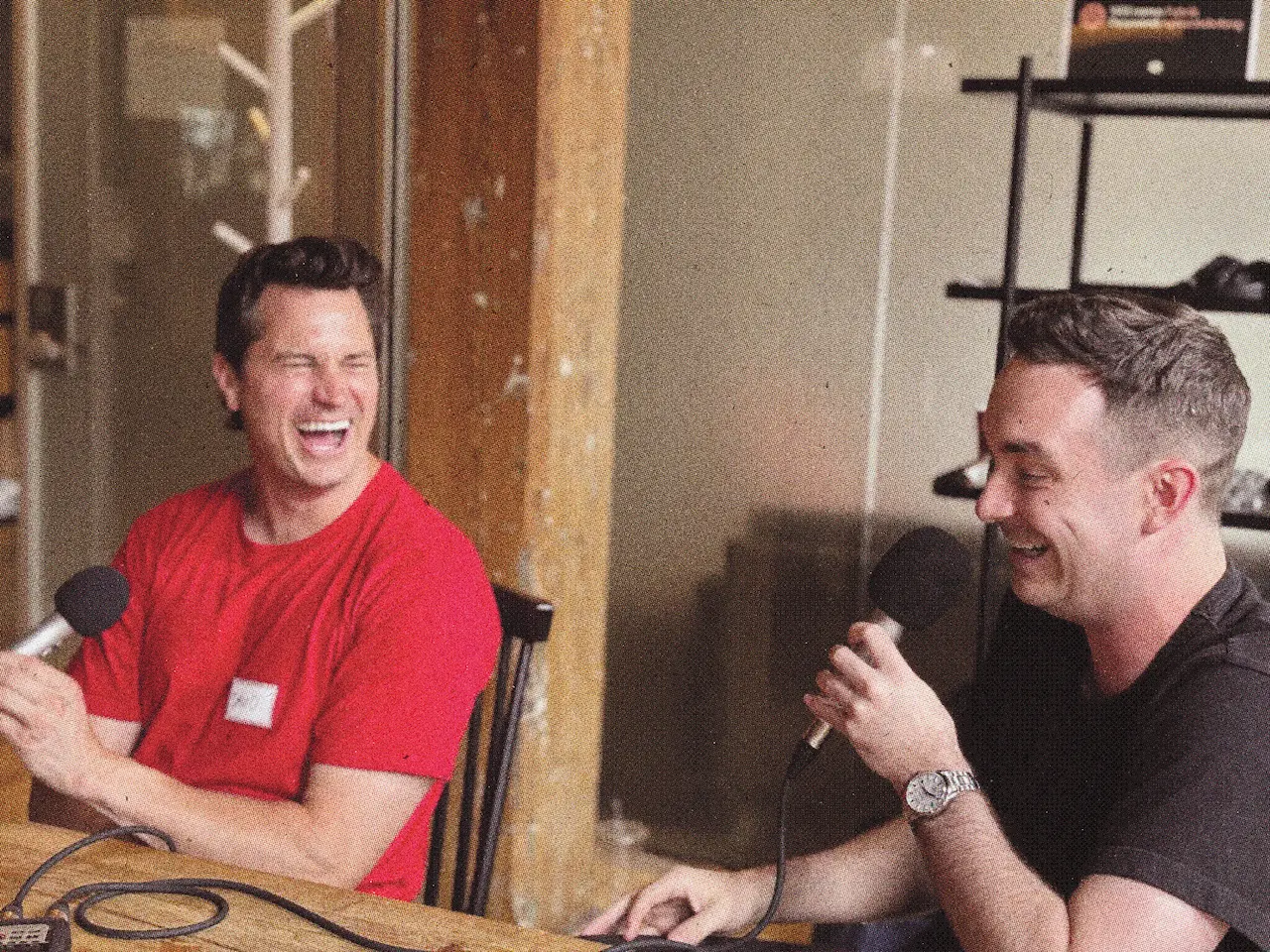
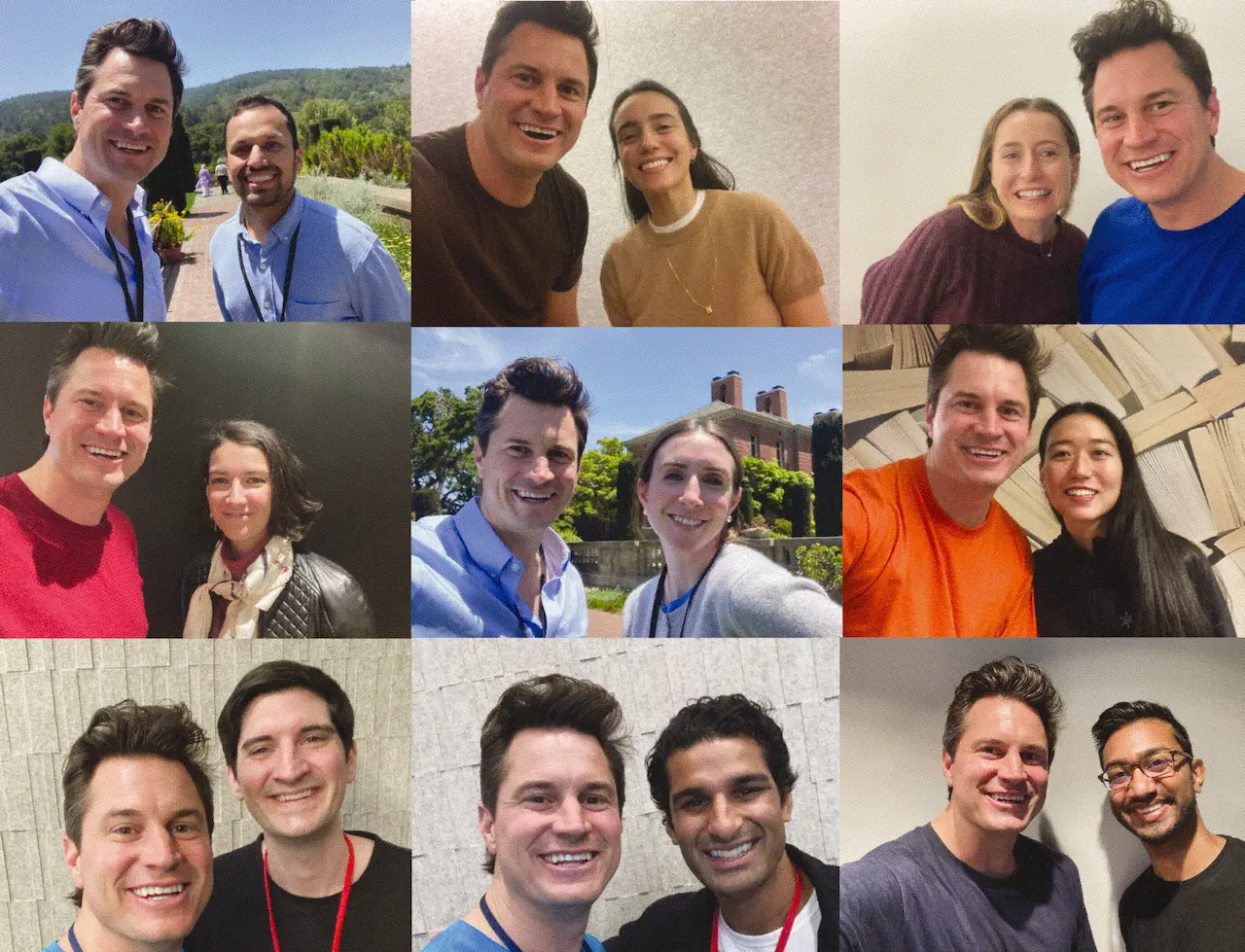
Social proof accelerates this growth through member success stories [14]. They regularly highlight member achievements, career transitions, and professional wins on its socials [11,14]. Oh, and lots of selfies 🤳.
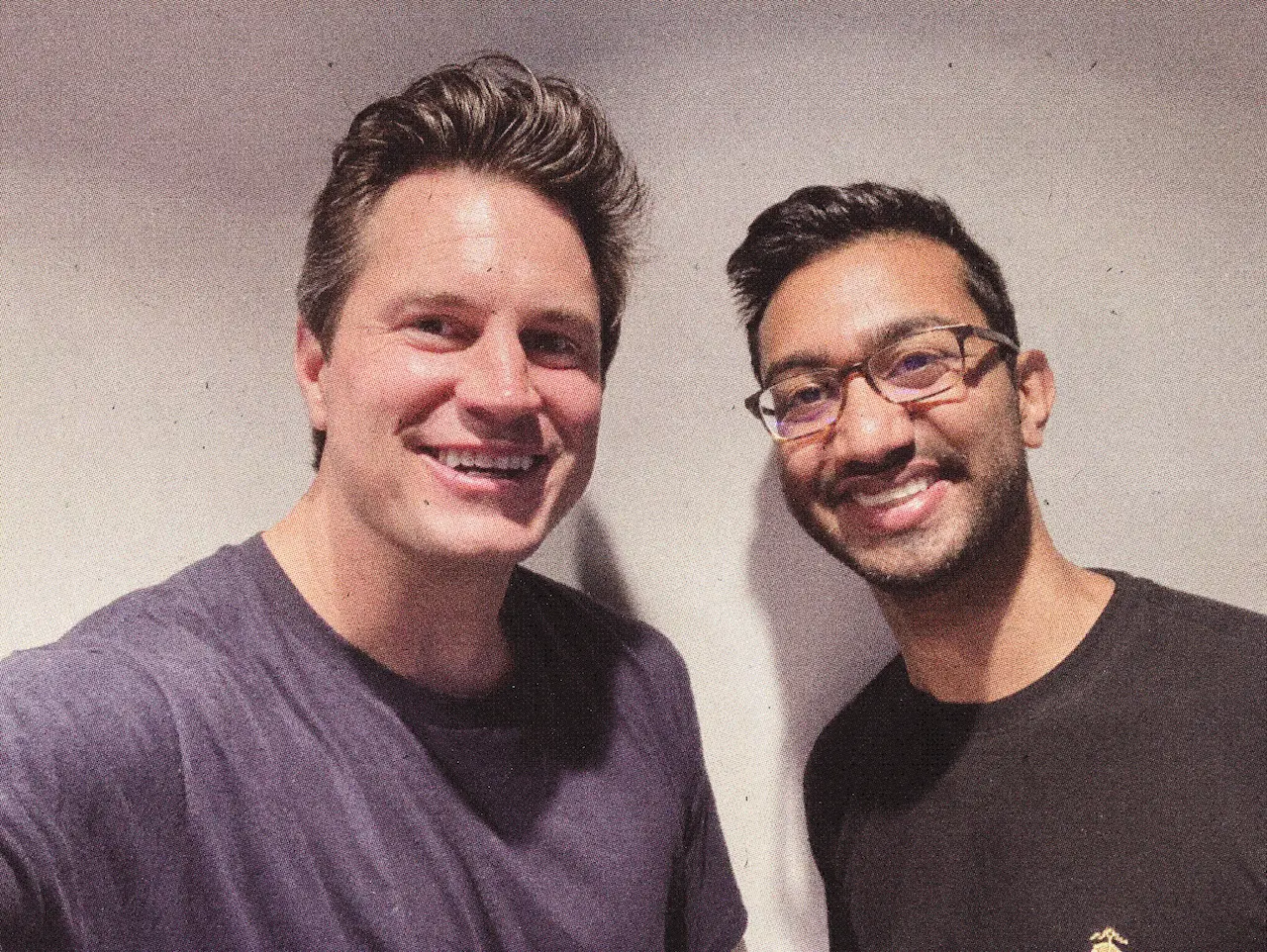
The Chief of Staff Network now operates with a lean team of 3 that combines experience with both community management as well as a deep understanding of the Chief of Staff profession [29,36].
Scott has always been an active part of the community, particularly behind the scenes, setting up the infrastructure and mechanisms and operations that have allowed the community to grow. Tom has also helped steward the strategy behind memberships, pricing, partnerships, and many of the courses and content.
While Rahul, who was previously a member of the network, served as General Manager. He previously ran the BizOps Network, which was brought into the Sylva portfolio of communities [21]. Rahul handled business operations, member admissions, strategic partnerships, and revenue growth [21,38].
David Nebinski, focused on events, programming, and member experience [29,39]. He joined in August 2021 until September 2025, running all in-person events, although the Chief of Staff Connect conferences were primarily led by Scott, Tom, and Rahul. [40,39].
"David and I focus on completely different things day to day,” says Rahul. “We can go a week without having a physical meeting to talk to each other" [23].
The community also employs contractors and part-time staff for specific functions like content creation, event logistics, and technical support [29], including Lauren Werner, who is Head of Growth. This flexible staffing model allows the community to scale resources when it needs to, like in the run up to a conference [36].
Its connection into Sylva provides additional resources and support [4,6]. Being part of a larger community platform gives the Chief of Staff Network access to shared technology and business development resources. In total, Sylva runs "8 or 9" other communities, which means they can learn what works in one, and try that out in the others, too [5].
Slack serves as the primary community platform, hosting the central workspace where members conduct daily interactions [7,3]. Despite its limitations for community management, the team chose Slack because Chiefs of Staff already use it extensively in their professional roles. As Scott explains: "It's easier to build a community on a tool that people are already logged into" [7].
The community uses various bots and integrations to facilitate member connections, automate routine tasks, and provide enhanced engagement features [7,19]. This includes a connection bot that automatically pairs members for one-on-one conversations [7]. Sylva has also developed its own community analytics platform, Miitra, which is uses across its portfolio of communities to connect and sync data from tools like Slack, Discord, HubSpot, and more, giving it a comprehensive view of each community's analytics [47].
They initially used Notion for knowledge management and resource organization [20,30]. The community maintains extensive documentation, resource libraries, and member guides, creating a searchable repository of community wisdom [20]. Although, this is now managed in a custom built knowledge hub based on Webflow's CMS.
Luma handles event management and registration [25,41]. Since 2021, the community has hosted over 300 events through Luma, with Zoom being used for running courses, workshops, and member calls [16,22].
Email marketing tools maintain member engagement beyond Slack [22]. Initially, they used Mailchimp, Zapier, and HubSpot [5,7], but now use Beehiiv and Attio. The community uses email for course delivery, event announcements, and important updates [16]. The Fundamentals Track, for example, delivered lessons via email twice weekly, supplemented by live Zoom calls [22].
So there you go, that’s how Chief of Staff Network went from Medium post to industry-leading professional network. ✌️
Adding friction can improve community quality. The Chief of Staff Network's decision to add personal interviews to their application process was a game-changer for conversion. Be thoughtful about where barriers might improve rather than hinder community health.
Scale through systems and delegation. Scott’s thoughtful approach to the structure of the membership from the get-go, as well as hiring of specialized team members, enabled the community to grow while maintaining quality. You should plan early for how you'll sustainably scale your community.
Invest heavily in member onboarding and early engagement. The community's sophisticated onboarding process, including welcome events, buddy systems, and guided channel introductions, ensures new members quickly find value and begin contributing.

Gareth has spent 15 years in founding marketing roles at community-led startups. He shares his learnings through deep dives.